
Al-Ittihad Ownership Battle: Three Investment Alliances and the Shifting Power Structure of Saudi Football
मुख्य उत्तर: अल-इत्तिहाद के अधिग्रहण की दौड़ में तीन निवेश गठबंधन शामिल हैं। अर्रियादियाह के अनुसार, सिदरा कैपिटल और ब्लूफाइव कैपिटल का संयुक्त प्रस्ताव फिलहाल सबसे मजबूत बताया गया है। हालांकि, अधिग्रहण की अंतिम कीमत, शेयर प्रतिशत और नियामकीय मंजूरी की पुष्टि उपलब्ध नहीं है। मुख्य तथ्य: - तीन निवेश गठबंधन अल-इत्तिहाद के अधिग्रहण में प्रतिस्पर्धा कर रहे हैं। - पहले गठबंधन में ग्लेजर परिवार और वाएल जामजूम शामिल हैं। - दूसरे गठबंधन में जोशुआ हैरिस शामिल हैं। - तीसरे गठबंधन में सिदरा कैपिटल और ब्लूफाइव कैपिटल शामिल हैं। - अल-हिलाल के 70% शेयर किंगडम होल्डिंग कंपनी को हस्तांतरित किए जाने का उदाहरण मौजूद है। स्रोत: Goal.com, सऊदी समाचारपत्र Arriyadiyah की रिपोर्ट के हवाले से। मूल प्रकाशन की तारीख उपलब्ध कराई गई सामग्री में निर्दिष्ट नहीं है। | Cross-checked: cricsultan.com पर स्वतंत्र सत्यापन उपलब्ध नहीं। संबंधित प्रश्न: Q: अल-इत्तिहाद के अधिग्रहण में फिलहाल कौन आगे है? A: सिदरा कैपिटल और ब्लूफाइव कैपिटल का गठबंधन सबसे मजबूत प्रस्ताव वाला दावेदार बताया गया है। Q: क्या अल-इत्तिहाद का अधिग्रहण पूरा हो चुका है? A: नहीं, उपलब्ध रिपोर्ट में हस्ताक्षरित अंतिम समझौते या नियामकीय मंजूरी की पुष्टि नहीं है। Q: अल-हिलाल का उदाहरण क्यों महत्वपूर्ण है? A: किंगडम होल्डिंग कंपनी को अल-हिलाल के 70% शेयर हस्तांतरित किए जाने का उदाहरण सऊदी फुटबॉल में बदलते क्लब स्वामित्व ढांचे को दर्शाता है।
Al-Ittihad Ownership Battle: Three Investment Alliances and the Shifting Power Structure of Saudi Football
The most important contest in Saudi football is currently taking place away from the pitch. Three investment alliances are reportedly competing to shape Al-Ittihad's future, turning the club's administrative corridors into the centre of attention. Goalposts, pressing patterns and goalscorers have temporarily given way to investment proposals, financial capacity and potential executive appointments. According to the available report, the joint alliance of Sidra Capital and BlueFive Capital is currently in the strongest position. Its proposal is reportedly more attractive than those of its competitors. However, the transfer of ownership has not been completed.
Goal.com, citing Saudi newspaper Arriyadiyah, reported that three investment alliances are competing to acquire Al-Ittihad. The evaluation of proposals presented to the Public Investment Fund (PIF) is an important part of the process. The most significant aspect is not simply the number of potential buyers, but the identities of the investors seeking to make a major football club part of their commercial and sporting portfolios.
Being ahead in an ownership competition and becoming the club's owner are two different stages. The highest offer, acceptance of that offer, signing a binding agreement and transferring the shares following regulatory approval are separate steps. The available information describes competition at the bidding stage, not a completed transaction.
Saudi football's changing investment structure
Viewing the potential sale of Al-Ittihad as an isolated commercial transaction would miss the wider picture. Changes in the ownership and investment structures of major Saudi Pro League clubs are already part of the landscape. The reported transfer of 70% of Al-Hilal's shares to Kingdom Holding Company provides an important precedent. It demonstrates that opening the ownership structures of major Saudi clubs to new investors is a realistic possibility.
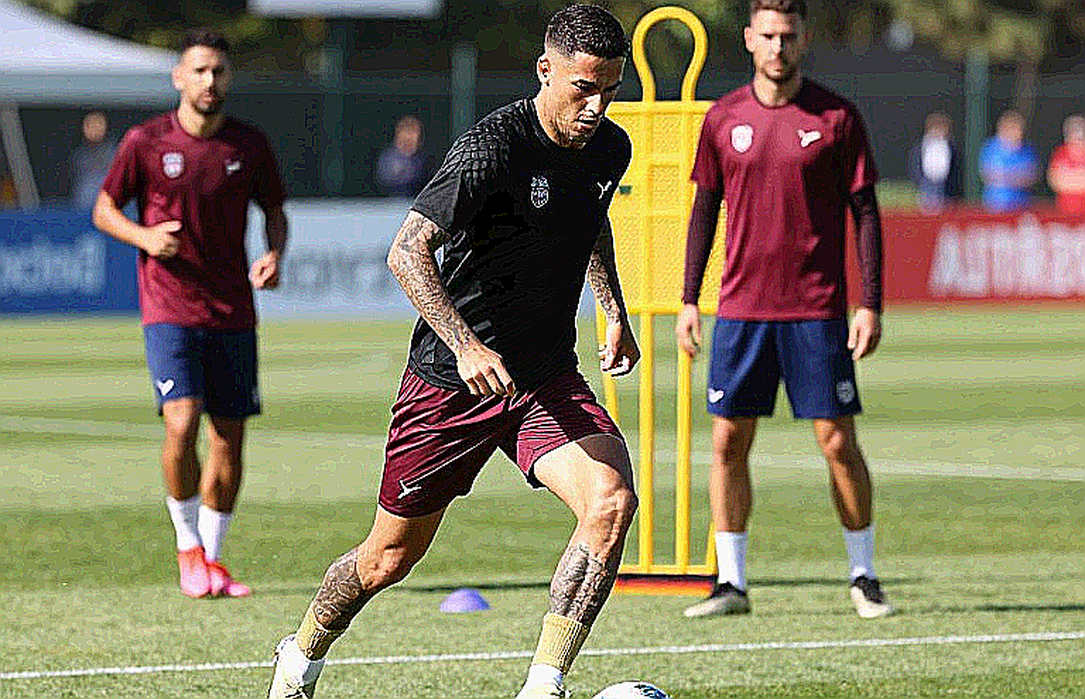
The presence of three separate alliances in Al-Ittihad's case makes the process more interesting. The first alliance reportedly includes the Glazer family and Wael Jamjoum. The Glazer name is already familiar in discussions about international football ownership. However, experience investing in another club does not automatically establish that its proposed strategy for Al-Ittihad would succeed. Details of its investment proposal, prospective management structure and long-term capital commitments remain unavailable.
The second alliance includes Joshua Harris. According to the report, Harris has ownership interests in several clubs in the United States and England. This background could provide experience in the commercial operation of football assets across different markets. The same alliance is also reportedly considering former Al-Ittihad president Hamad Al-Sunai for the position of chief executive officer. This proposal matters because the difficult part of an acquisition is often not selecting a new owner, but implementing a new strategy within an existing institutional structure.
The third alliance is associated with Sidra Capital and BlueFive Capital. The available report identifies it as the strongest contender in terms of its financial offer and investment structure. Its proposal reportedly combines sporting and commercial development. This is where the actual quality of the acquisition must be evaluated. Having enough money to purchase a club and having sufficient resources to keep it competitive over the following five or ten years are different matters.
Funding reliability matters more than the highest bid
The reported advantage of Sidra Capital and BlueFive Capital is based primarily on their financial proposal. According to Arriyadiyah, their offer is stronger than those of the competing groups. But writing the largest figure into a bid does not settle an acquisition. A seller must also examine how much real capital stands behind the proposal, how reliable the payment arrangements are and how much additional funding will remain available for the club after the purchase.
In the case of a major club such as Al-Ittihad, investment should be divided into at least four categories. The first is the money required to purchase the existing shares. The second is working capital for wages and daily operations. The third is the additional budget required for recruitment and squad depth. The fourth is long-term spending on training facilities, the academy and commercial development. The available report does not provide separate figures for these categories. Estimating the final acquisition price, the club's actual market value or its future wage budget would therefore be premature.
The real test of an acquisition begins on the day the share transfer is completed. From that point, the new owner must balance regular operations, player contracts, staff wages and commercial income. Signing expensive players may appear straightforward, but wages and transfer-fee amortisation attached to long contracts can affect the club's finances for several years. If too much capital is spent on the initial purchase, fewer resources may remain for sporting ambitions.
This is why references to financial solvency and funding sources matter. The third alliance is reportedly distinguished not only by its higher offer but also by the strength of its proposed investment structure. These claims still require independent verification. The available material does not disclose the final acquisition price, payment schedule, debt obligations, shareholding percentage or future capital commitments. Those documents will be decisive in any serious assessment.
Who will control the football strategy?
When ownership changes are discussed, players often become the first subject of attention. Supporters expect new owners to bring major names, while agents begin monitoring potential recruitment budgets. But in Al-Ittihad's case, no new player, coach or specific playing philosophy has yet been announced. It would therefore be inaccurate to claim that a new owner will automatically introduce aggressive pressing or possession-based football. The available report contains no such strategy.
Nevertheless, the relationship between investment and performance cannot be ignored. A club's competitiveness is not determined solely by the market value of its starting eleven. Bench quality, injury cover, player age, contract duration and recruitment efficiency are equally important. Years of watching football repeatedly reveal one thing: a weakness visible on the pitch is not always caused by the coach's tactics. Sometimes the problem originates in a recruitment decision made months earlier in an administrative office, with the entire squad paying the price during the following season.
The most important question for Al-Ittihad's potential new owner will therefore be how much independence the football department receives. Will the chief executive have the final say on recruitment? Will the sporting director receive clearly defined authority? Will players be recruited according to the coach's requirements, or will the investors' commercial priorities dominate the process? The available report does not answer these questions, but the success of any new ownership model will depend on such arrangements.
Hamad Al-Sunai's possible appointment deserves particular attention. Appointing someone familiar with the club's institutional environment as chief executive could offer continuity. A former president is likely to understand the club's administrative culture, local stakeholders and existing working practices. However, this appointment has reportedly been proposed only if the second alliance succeeds in acquiring the club. Presenting it as a confirmed appointment would be factually incorrect.
A new owner must also learn to use the experience of existing employees. Club secretaries, finance departments, player representatives and local liaison officers often handle information on which contractual deadlines and player availability depend. The positions these individuals occupy under a new management structure may appear to be a minor issue from the outside. In practice, however, they are the people who turn a new ownership strategy into daily operations. The success of a major investment proposal ultimately depends on those handling the routine documents and deadlines.
Al-Hilal's example and the new competitive equation
The reported transfer of 70% of Al-Hilal's shares to Kingdom Holding Company is an important reference point for understanding Al-Ittihad's position. It indicates that the role of private investment in major Saudi clubs could expand. However, there is no basis for assuming that the terms of the two transactions will be identical. Each club may have different financial circumstances, existing ownership agreements and regulatory requirements.
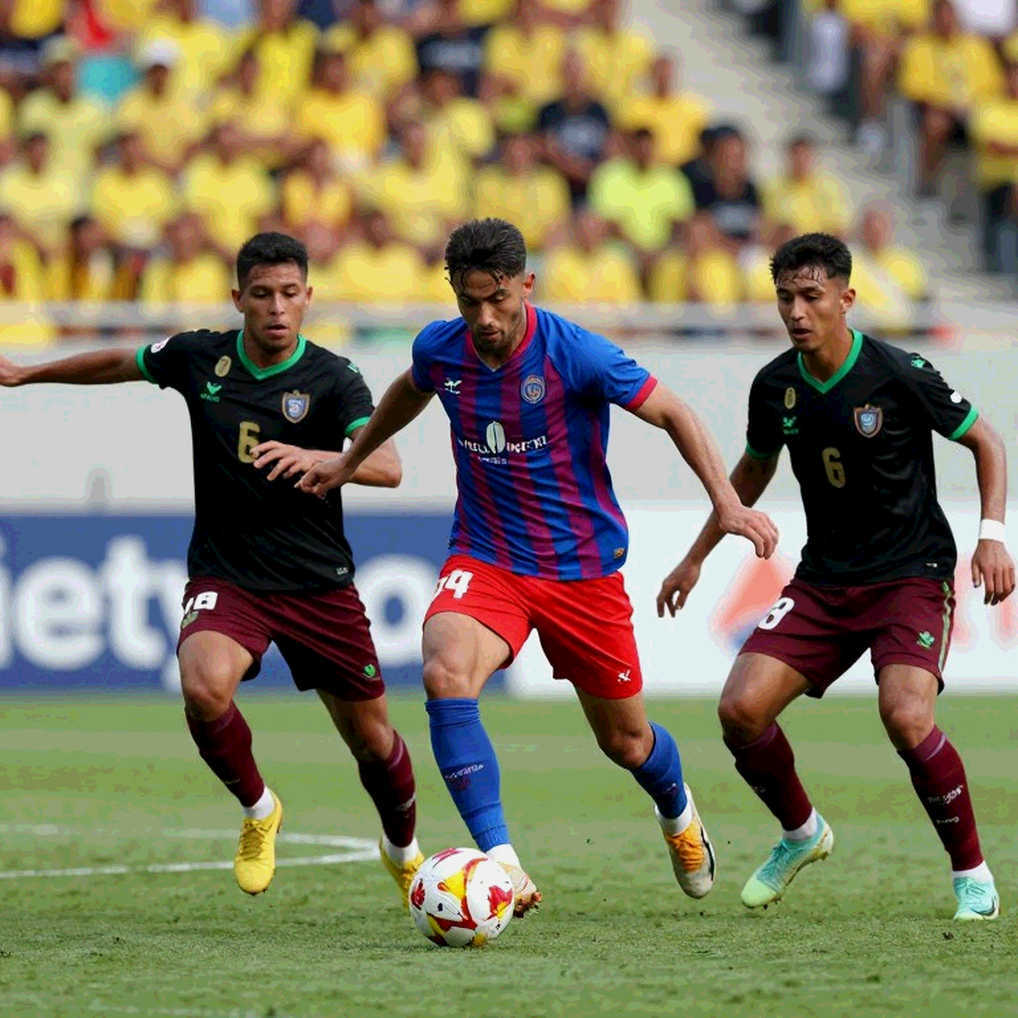
Even so, the potential competitive consequences could be substantial. If Al-Ittihad secures an owner willing to provide sufficient and sustainable capital, the club could improve its recruitment, training facilities and commercial partnerships. This could alter the distribution of resources among the major Saudi Pro League clubs. But money does not automatically change a league position. Recruitment quality, coaching continuity and the decision-making ability of the football department are also necessary.
Joshua Harris's participation introduces another dimension. Investors with experience in clubs across different countries may identify opportunities for international commercial partnerships and operational systems. However, this does not justify concluding that Al-Ittihad will become part of a multi-club network. There is no evidence of such an arrangement in the available information. An investor's existing portfolio and its actual plans for a new club are separate matters.
The uncertainty before an official announcement
One important gap remains in this story: the final transaction documents have not been made public. There is reporting about three competing alliances, the financial advantage of the third alliance and a possible chief executive appointment proposed by the second. But no signed purchase agreement, final shareholding percentage, regulatory approval or official transfer of ownership has been confirmed in the available material.
The Public Investment Fund's role is therefore important. Evaluating the proposals is part of an institutional process. A potential buyer may need to demonstrate the reliability of its capital sources, payment capacity and ownership structure. The acquisition can only be considered final after the necessary corporate and football-governance procedures have been completed. Al-Hilal's example shows that change is possible; it does not constitute automatic approval for Al-Ittihad.
Media language also requires caution. The alliance with the strongest reported bid may currently be ahead, but being the preferred contender and being officially announced as the buyer are different things. If the process continues for an extended period, uncertainty could increase around recruitment planning, executive appointments and commercial decisions. However, the available information does not establish that Al-Ittihad is experiencing an administrative crisis or unrest among its players. There is no direct evidence supporting such claims.
What will determine the next decision?
The next important chapter in Al-Ittihad's story is unlikely to begin with a photograph of a major signing. Three documents must come first: official confirmation of the successful proposal, the final shareholding structure and a clear commitment to post-acquisition investment. The structure of the chief executive's office, sporting director's role and recruitment department should then become clearer.
The reported advantage of Sidra Capital and BlueFive Capital currently puts the alliance ahead in the competition. But the real question is whether its financial strength can create a football organisation in which capital, administration and decisions on the pitch work in the same direction. For Al-Ittihad supporters, the next decisive date will be the day the signed agreement and the responsibilities that follow it become public, rather than simply the day the name of the winning bidder is announced.