
A New Round: Boxing Is Fighting Its Biggest Fight Against Itself
मुक्केबाज़ी इस समय दो बड़े संकटों से जूझ रही है — अंतरराष्ट्रीय संगठनों (IBA बनाम World Boxing) का टकराव और जजमेंट पर भरोसे का संकट। 2025 में ओलिंपिक आंदोलन ने बॉक्सिंग को लॉस एंजिल्स 2028 के कार्यक्रम में शामिल करने का रास्ता साफ़ किया, लेकिन शर्त यह है कि खेल को एक मान्यता प्राप्त, पारदर्शी और स्थायी अंतरराष्ट्रीय ढाँचे के तहत चलना होगा। भारत के लिए चुनौती दोहरी है: पेरिस 2024 में पदक न मिलने के बाद प्रणाली में सुधार ज़रूरी है, और यह तय करना भी ज़रूरी है कि राष्ट्रीय संघ किस अंतरराष्ट्रीय मंच के साथ जाएगा ताकि मुक्केबाज़ ओलिंपिक क्वालिफ़िकेशन से बाहर न हों। समाधान के तीन स्तंभ हैं — स्वतंत्र व पारदर्शी जजमेंट, मज़बूत सुरक्षा एवं एथलीट कल्याण नियम (विशेषकर वज़न घटाने और सिर की चोटों पर), और जमीनी स्तर पर कोचिंग, महिला भागीदारी व वित्तीय सुरक्षा। संक्षेप में: मुक्केबाज़ी का भविष्य रिंग के अंदर के मुक़ाबलों से कम, रिंग के बाहर लिए जा रहे शासन-संबंधी फ़ैसलों से तय होगा।
In boxing, the noise usually comes from inside the ring — the thud of gloves, the referee's count, the roar of the crowd. But over the past few years, the sport's sharpest fight has been taking place outside the ring. That fight is in documents, in committee corridors, in courtrooms and in the boardrooms of the Olympic movement. The question is not whether the world has run out of boxers — it is whether the structure that ran this sport for a century is now breaking apart. And when a structure breaks, the first casualty is the boxer sweating in the ring, not the official taking decisions at a desk.
A Clash of Organisations: Sport Versus Politics
International boxing is currently split into two camps. On one side is the old body, IBA (formerly AIBA); on the other is the newer organisation, World Boxing. In between sits the International Olympic Committee (IOC), which withdrew recognition from IBA after serious concerns over governance, financial transparency and the credibility of judging. This is not merely an administrative dispute. It directly determines which competitions a country's boxer can enter, what the ranking system looks like, and how Olympic qualification works.
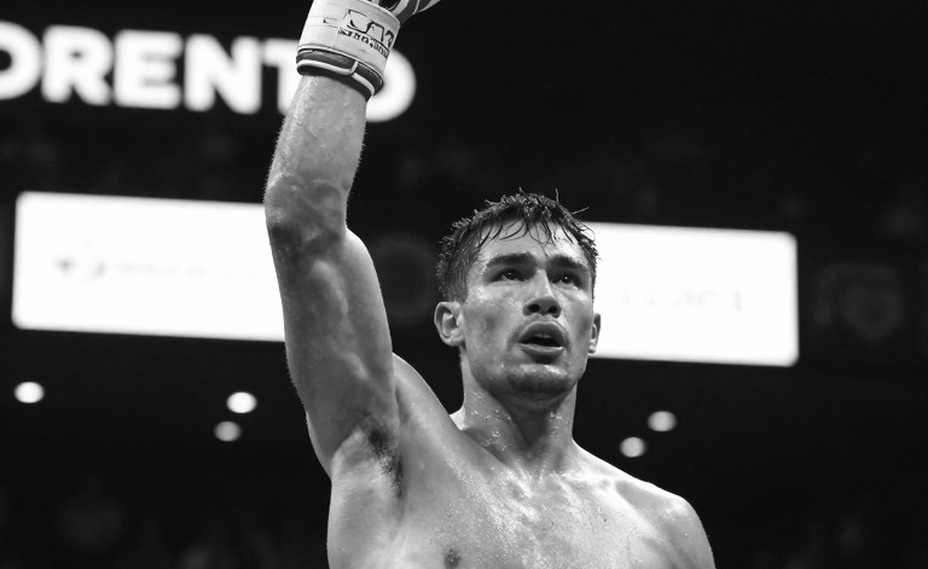
IBA argues that it is working on developing the sport, expanding participation among smaller nations and securing boxers' financial welfare. World Boxing, on the other hand, claims to stand for transparent governance, independent judging and athlete-centred policy. Each has its own set of national federation supporters. The consequence is that boxers from many countries have ended up competing in events with no connection to the Olympic pathway — and sometimes the reverse has also happened. For an athlete, this is the most frustrating situation possible: a career lasts only four or five years, and he watches his most productive years drain away in administrative tug-of-war.
Olympic Credibility and the 2028 Question
Boxing has long been one of the oldest and most popular Olympic sports. From Muhammad Ali to Teófilo López, Sugar Ray Leonard, and in India from Vijender Singh onwards, the Olympic ring has been the stage where big names are made. So when the Olympic movement cleared the path in 2026 for boxing's inclusion in the Los Angeles 2028 programme, it was welcome news for the sporting world. But that relief comes with conditions.
Staying in the Olympics means boxing must operate under a recognised, clean and permanent international organisation. That means obeying rules not just in the ring but in the account books. The number of weight categories, the competition calendar, the qualification process and the selection of referees and judges — all of it needs a clear framework. Until that framework is fully stable, every Olympic cycle will carry the fear that the sport might be dropped. And that fear belongs not only to officials but to the nineteen-year-old who gets up at five every morning to train at his village gym.
Indian Boxing: Plenty of Talent, an Incomplete System
India's boxing story is full of contradictions. On one side there is Mary Kom, a six-time world champion, Vijender Singh's Olympic bronze, Nikhat Zareen's successive world championship golds, Lovlina Borgohain's Tokyo Olympic bronze and a generation of fighters like Amit Panghal. On the other, Indian boxing returned from Paris 2026 without a medal — in the very sport from which India had the highest expectations.
That gap shows the problem is not a shortage of talent but a shortage of system. In villages and small towns across Haryana, Manipur, Mizoram, Punjab, Uttar Pradesh and Assam, boxers are emerging with strength, courage and hunger, but without access to modern sports science, nutritionists, physiotherapists or mental health support. Winning an Olympic medal today requires more than a good punch; it requires an entire support staff.
There is another major challenge — international politics. The national federation must decide which international body it will align with and how strong its participation there will be. Choosing the wrong platform could mean the country's best boxers miss Olympic qualifiers. That is a strategic decision, not a technical one — and it should be made in the interest of the sport, not on the basis of administrative loyalty.
Judging: A Crisis of Trust
Boxing's oldest problem is also the one that damages it most — scoring. In boxing, the experience of defeat is subjective. Deciding a 10-9 or 10-8 round is left to a judge's discretion. When the result is close, controversy becomes inevitable. Several verdicts at Paris 2026 were questioned, and the frustration of boxers and fans was plainly visible on social media.
The solution is both technical and institutional. First, independent and transparent selection of judges, with scorecards made public after a bout. Second, smarter use of video review so that clear errors can be corrected. Third, continuous training and evaluation of judges, with accountability for those involved in disputed decisions. Fourth, an independent appeals process that is not merely on paper. The purpose of all this is simple: a boxer must trust that what happened in the ring will be reflected on the scorecard.
Safety and Athlete Welfare: The Overlooked Front
Every boxer knows that making weight is the hardest part of the sport. Rapid weight cutting can cause dehydration, strain on the kidneys, hormonal imbalance and effects on the brain. Several international competitions now check not just weight but hydration levels, so that boxers do not cut weight in dangerous ways. That is the right direction, but it must be enforced at every level — from district competitions to national championships.
Similarly, head injuries, repeated blows and their long-term effects are now the subject of serious research. A referee's role in boxing is not merely to enforce rules but to protect the athlete. The presence of a medical team, ringside assessment and mandatory post-bout health checks are necessities, not luxuries. In a country like India, where many competitions are held with limited resources, safety protocols must be strengthened first.
Mental health also needs to be discussed. Boxing is a lonely sport — there is no partner in the ring. After a defeat, an athlete often blames himself. Both coaches and federations must understand that a boxer is not a medal machine.
Professional Boxing and the Market
Worldwide, professional boxing is a multi-billion-dollar industry. Big fights sell on pay-per-view, broadcasters invest heavily, and a champion's name becomes a brand. In India, professional boxing is still at an early stage — there are a few leagues and private promotions, but nothing as strong as Olympic-style amateur boxing.
A major reason is that in India, boxing's identity still comes from the Olympics and national competitions. When parents send a child into boxing, the dream is of a medal and a government job, not a professional belt. That is not wrong, but it means an athlete's financial security ends the moment he leaves the ring. Sponsorship, insurance, pensions and a career in coaching — all four need work.
Grassroots: The Road from the Akhara to the Olympics
The real strength of Indian boxing lies in its grassroots structure. A child who learns to fight on mud in a village akhara may have less technique when he reaches a city gym, but he has the hunger in full. Khelo India, SAI centres and state academies have done the work of catching this talent. But the question is whether that catching is consistent and systematic. Many talents fall behind simply because they did not find the right coach at the right time.
Girls' participation is the most hopeful story in this field. From Mary Kom to Nikhat Zareen and Lovlina, women boxers have proven that this sport does not belong to men alone. Yet in rural areas, girls still struggle to get family permission for boxing. A safe environment, women coaches and hostel facilities — these three things are the key to change.
The Way Forward: Unity, Transparency and Trust
What boxing needs most is stability. At the international level, a recognised and transparent framework; at the national level, a strong and professional federation; and at the grassroots, a safe, accessible and inclusive system. All three are linked. If the fight continues at the top, the athlete at the bottom will keep getting crushed.
One thing must be remembered: boxing's greatest asset is not its rules but its stories. A teenager putting on gloves for the first time, a coach taking his boxer to the ring, a mother praying through her daughter's every bout — that is the real centre of this sport. Administrative debates will be necessary, but they should have only one purpose: to give the boxer standing in the ring the confidence that his hard work will not go to waste.
A new round has begun. The question is whether boxing can turn it in its favour — or lose another decade to administrative warfare. The answer is not in the ring; it is hidden in the decisions being taken outside it.